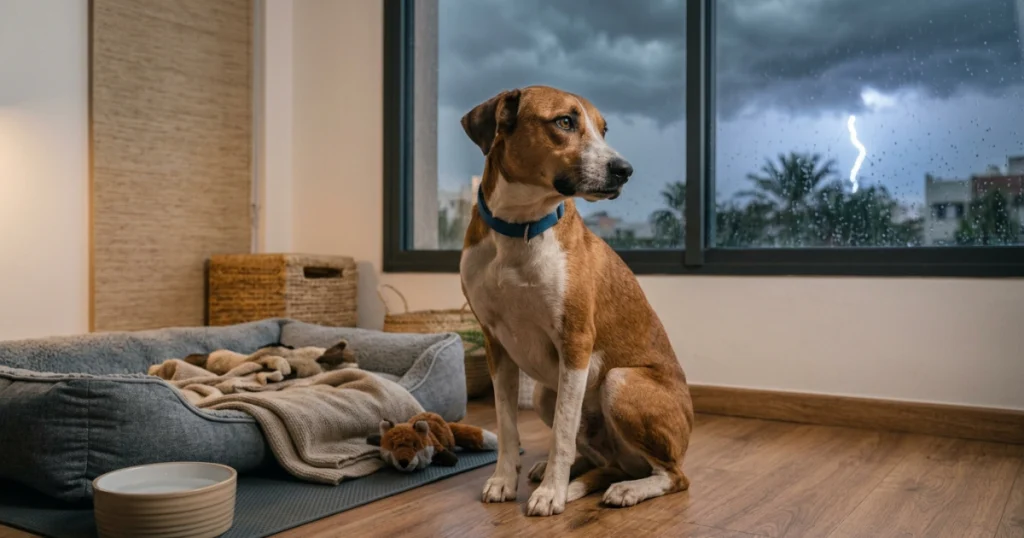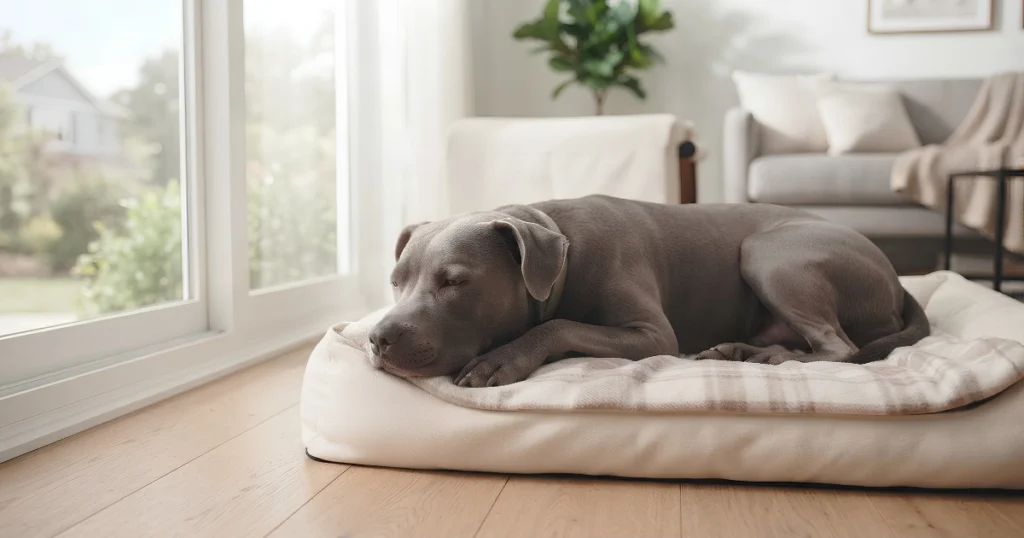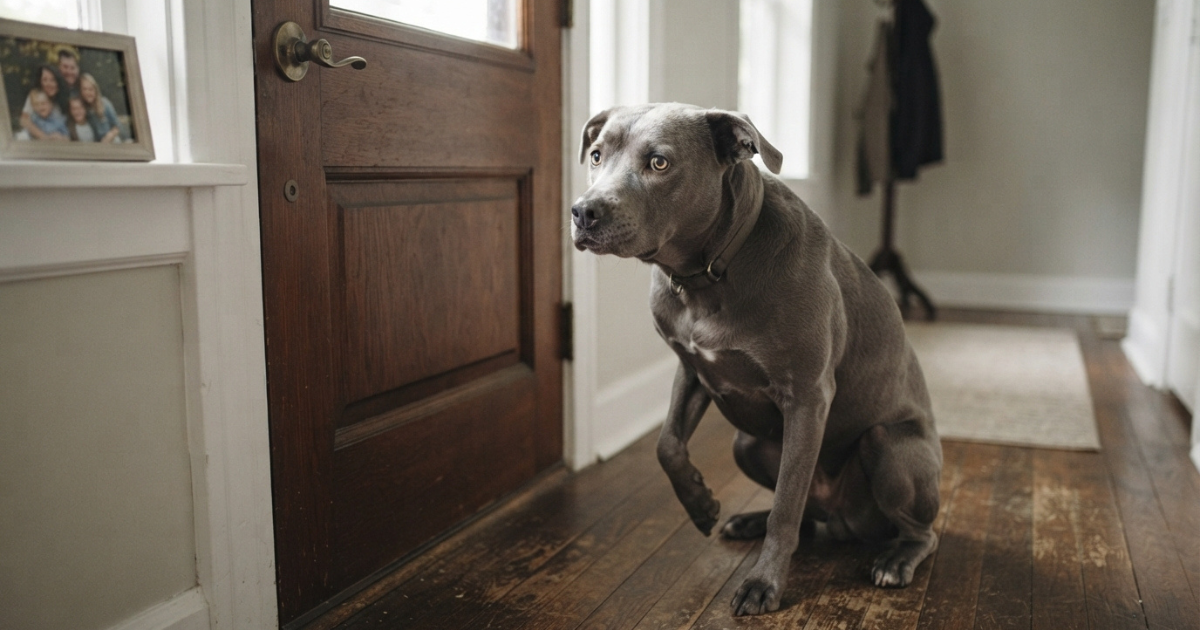
Causes of separation anxiety in dogs are often linked to emotional stress, sudden routine changes, or past experiences that make dogs afraid of being left alone.
Coming home to a dog that is barking, pacing, trembling, or destructive can be stressful for any owner. Separation anxiety in dogs is more than clinginess — it’s a real emotional distress response that occurs when a dog struggles to cope with being apart from a trusted caregiver.
Learning to recognize the signs early can make treatment easier and improve your dog’s quality of life. In this guide, you’ll learn the most common symptoms, causes, and body language signals associated with separation anxiety in dogs — alongside the broader signs your dog is stressed in general.
Key Takeaways
- Separation anxiety in dogs is an emotional distress condition, not misbehavior.
- Common signs include barking, pacing, destructive chewing, and clinginess.
- Routine changes, trauma, and rehoming are common anxiety triggers.
- Early recognition helps owners take action before anxiety worsens.
- Severe symptoms may require veterinary or behavioral support.
Understanding Separation Anxiety in Dogs
According to the ASPCA, separation anxiety is a real stress response that occurs when a dog is separated from its main caregiver — not a training failure or a matter of a dog being “spoiled.” Unlike normal attachment, which is healthy and calm, separation anxiety causes intense distress that can lead to problematic behavior whenever the dog is left alone.
What It Actually Looks Like
Separation anxiety shows up as anxiety or panic during an owner’s absence — sometimes starting in the minutes leading up to departure, before the door even closes. The key difference from ordinary clinginess is the level of distress: strong, repetitive, or destructive responses tied specifically to being left alone.
Most Common Symptoms
Timing is one of the clearest signals. Many of these behaviors start right after an owner leaves, or as soon as they prepare to go:
| Behavior | Typical Timing | Impact / Next Step |
|---|---|---|
| Excessive barking | Usually begins within minutes of the owner leaving | Disturbs neighbors — record episodes and consult a trainer or vet |
| Destructive chewing | Often focused near exits or wherever the dog waits for you | Property damage and injury risk — consider behavior modification |
| House soiling | Occurs during absence despite house training | Often stress-related, but rule out medical causes with a vet |
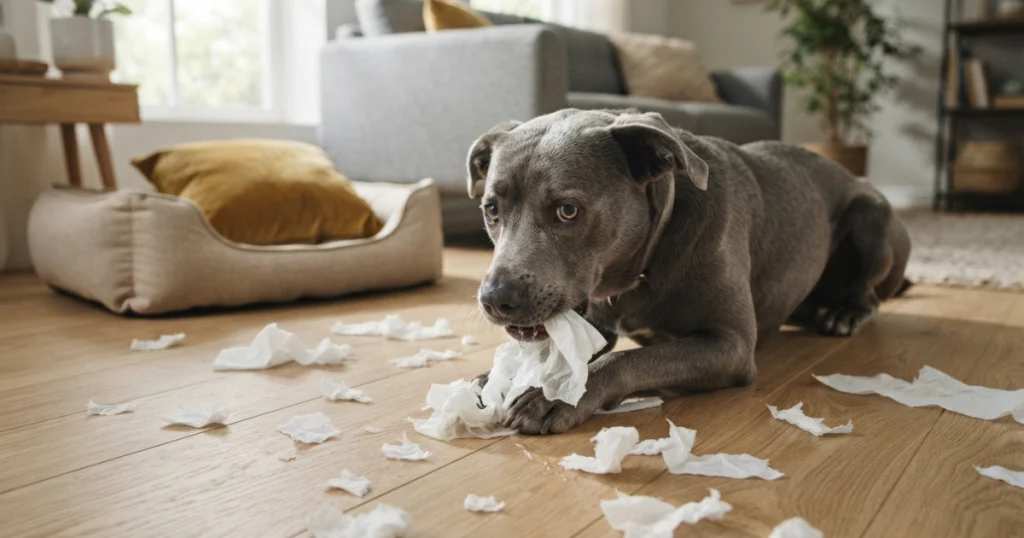
Not every dog shows every sign. If you notice several of these clustering around departures — especially across multiple occasions — that pattern points to separation anxiety rather than ordinary misbehavior or boredom. Start by documenting episodes (video or notes), and consult your vet or a certified behaviorist for a tailored plan.
Recognizing the Signs of Separation Anxiety
Knowing the signs helps you tell true distress apart from normal boredom or attention-seeking. Many anxious behaviors begin right before you leave or within minutes of being left alone.
Common, easy-to-spot signs:
- Excessive barking or howling when left alone
- Scratching, digging, or pawing at doors and windows near exits
- Pacing or repetitive restlessness along the same path
- Drooling, panting, or trembling tied to the separation itself
- Destructive chewing of furniture, baseboards, or objects near doors
- Urinating or defecating indoors despite being house-trained
Subtler signs owners often miss:
- Whining or whimpering as you prepare to leave
- Following you closely and struggling to settle
- Refusing food or treats while alone — a sign stress is suppressing appetite
Causes of Separation Anxiety in Dogs
Several medical, social, and environmental factors raise the odds a dog develops separation-related distress — often more than one at once. A dog with a shelter history, for instance, may be especially sensitive to sudden routine changes.
Changes in Routine and Environment
Dogs thrive on predictability, so large shifts in daily life are common triggers:
- Returning to the office after an extended stretch working from home
- Moving to a new house or major household rearrangements
- Loss of a companion — a family member moving out, another pet dying, or a longtime caregiver leaving
These disruptions can leave a dog unsure about when — or whether — you’ll return. Noting exactly when symptoms started (right after a move, when a commute resumed) helps pin down the trigger.
Past Trauma and Rehoming
Dogs with difficult early histories carry higher risk: abandonment or neglect, long shelter stays, frequent rehoming, or prolonged isolation. These experiences can create a lasting fear of abandonment. Rehomed dogs may take weeks to months to settle — stable routines and positive reinforcement help, but some need targeted behavior modification and professional support.
| Cause | How It Increases Risk |
|---|---|
| Routine changes (work, schedule) | Removes predictability; a sudden return to absence can trigger panic |
| Moving / new home | Familiar cues are lost; the dog feels insecure in unfamiliar surroundings |
| Loss of a companion (human or pet) | Emotional disruption — the dog may fear further loss |
| Rehoming / shelter history | Past abandonment increases sensitivity to being left again |
Practical tip: keep a simple timeline of when the first behaviors started and what changed around that time. That record helps your vet or behaviorist identify likely causes and build the right plan.
How Separation Anxiety Differs from Other Canine Anxiety Types
Not all anxious or fearful behavior looks the same. Separation anxiety is specifically tied to being alone or the anticipation of being left — other anxiety types have different triggers entirely, and the right plan depends on knowing which one you’re dealing with.
| Type of Anxiety | Typical Symptoms | Common Triggers |
|---|---|---|
| Separation Anxiety | Prolonged barking, destructive behavior, pacing, house soiling | Being left alone, or an imminent departure |
| Noise Phobia | Trembling, hiding, frantic escape attempts | Loud sounds (thunder, fireworks) |
| Generalized Anxiety | Restlessness, excessive licking/grooming, constant tension | Multiple or unclear stressors |
A dog that hides and shakes only during storms likely has a noise phobia. A dog that chews doors and barks for a long stretch right after you leave is likely showing separation anxiety. A dog that’s restless across many settings with no clear trigger may have generalized anxiety, and could benefit from a broader behavior plan and a vet visit.
Quick check: note the timing (before, during, or after an event), where it happens (near doors vs. hiding spots), and whether it’s short-lived or persistent. Short video clips of these moments are genuinely useful to share with a vet or behaviorist when narrowing down the type of anxiety.
Dog Body Language Signs of Anxiety
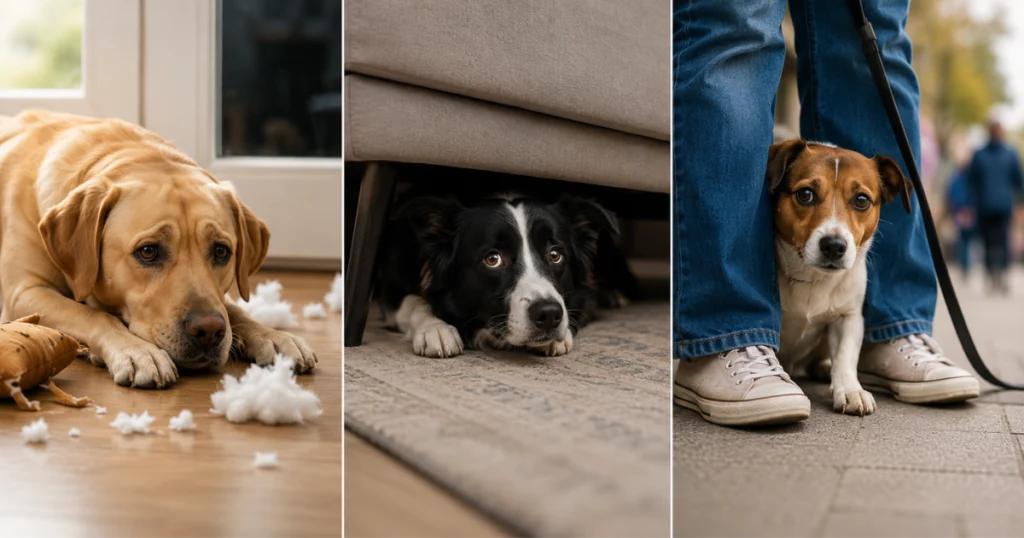
Reading body language is one of the best ways to catch anxiety early. Many of these cues are subtle but repeatable — once you know them, you can respond before things escalate. Always note when the cue shows up (before departure, during your exit, or while you’re gone) to link it to separation specifically.
Subtle signs:
- Whale eye — the whites of the eyes become visible, often around departures
- Hesitant or frozen posture — pausing, lowering the body, appearing “stuck”
- Lip licking — repeated, quick licks unrelated to food
- Yawning — frequent yawns outside of sleepiness, a calming signal under stress
Obvious signs: pacing, repeated barking or whining, destructive chewing, attempts to escape.
If you spot subtle signals, avoid punishment and reduce stimulation — speak calmly, step back, give space. For obvious signs tied to departure, hold off on longer absences and try short practice departures with enrichment. Either way, note the timing and consult a vet or certified behaviorist if signs are frequent or severe.
Medical and Environmental Triggers That Can Worsen Anxiety
Separation-related distress often goes beyond behavior alone. Before starting behavior modification, it’s worth ruling out medical issues and environmental factors that could be raising your dog’s overall stress level.
Common contributors:
- Chronic pain — undetected orthopedic, dental, or internal pain can make a dog more irritable and anxious, especially when routines change
- Nervous system conditions — epilepsy and other neurologic disorders can alter mood and reactivity
- Cognitive decline in senior dogs — the ASPCA notes that aging dogs with cognitive dysfunction syndrome often show increased anxiety when left alone, along with increased clinginess and sensitivity — symptoms that can look identical to separation anxiety but need a different treatment approach
- Insufficient early socialization — puppies without varied early exposure to people and places tend to be more fearful and less adaptable as adults
- Unpredictable routines — frequent, abrupt schedule changes reduce predictability and raise baseline stress
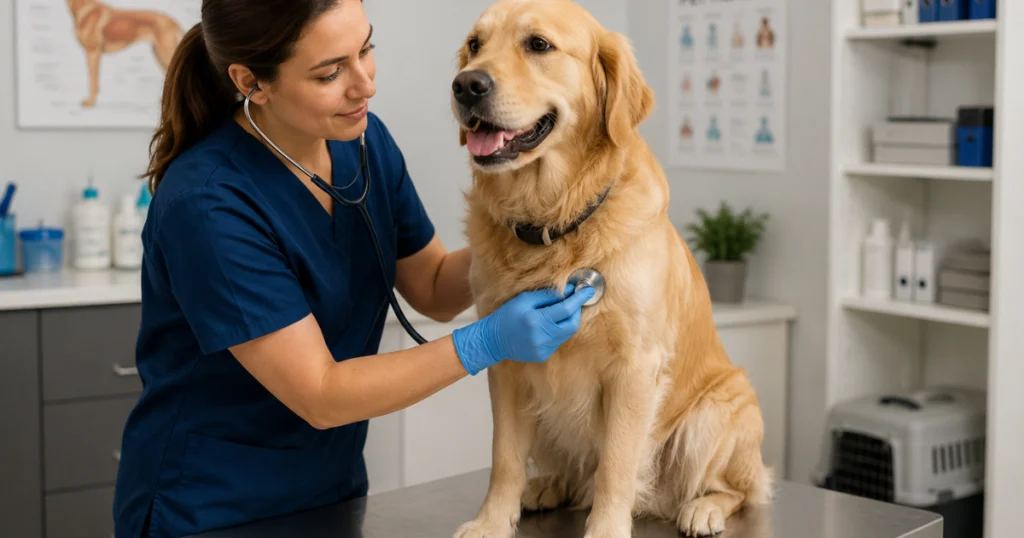
Veterinary Note: Sudden anxiety behaviors — especially in older dogs — should always be evaluated by a vet first. Pain, cognitive decline, or neurological conditions can closely mimic separation anxiety.
Steps to consider:
- Start with a vet exam to rule out pain or illness — an orthopedic check, dental exam, and baseline bloodwork if indicated
- Treat any medical issues found, alongside the behavioral plan — pain control often reduces anxiety-related behavior on its own
- Track when behaviors occur alongside any health changes (a new limp, appetite loss, sleep changes)
- For senior dogs, ask about cognitive decline screening and supportive treatment
Conclusion
Separation anxiety is an emotional response to being left alone, and it’s manageable with the right approach. The core steps are early recognition, consistent behavior modification, and ruling out medical or environmental contributors so your dog feels more secure.
Your dog’s troubling behaviors almost always come from fear or distress, not deliberate misbehavior. Combining practical home strategies with professional help when needed gives the best shot at real improvement.
Helping Your Dog Feel Comfortable Alone
Separation anxiety rarely improves on its own. The earlier you recognize the signs and start working through a plan to treat separation anxiety in dogs, the easier it becomes to help your dog feel safe when alone.
Small daily changes — calm departures, enrichment activities, predictable routines, gradual exposure training — add up over time, especially when they follow a consistent daily routine for an anxious dog. If your dog’s anxiety is severe or keeps worsening, talk to your vet or a certified behavior professional about a personalized treatment plan.
Ready to start? Explore our calming solutions for separation anxiety — enrichment tools, calming aids, and training support to help your dog feel secure when you’re away.
FAQ
What is separation anxiety in dogs?
An intense distress response when a dog is away from their primary caregiver — a real emotional problem, not simple naughtiness.
What are the common symptoms of separation anxiety?
Prolonged barking or howling after you leave, destructive behavior near exits, pacing, drooling or panting tied to departures, and house soiling despite prior training.
What causes separation anxiety in dogs?
Sudden routine changes (returning to work, moving), loss of a family member or pet, rehoming or shelter history, and past trauma. Medical issues can raise the risk too.
How can I tell separation anxiety apart from other anxieties?
Timing and triggers are the clearest clues: separation anxiety ties specifically to being alone or an imminent departure. Noise phobias show up during loud events; generalized anxiety appears across many situations.
What body language signs indicate my dog may be anxious?
Whale eye, lip licking, frequent yawning, hesitancy, pacing, and visible tension — often appearing before or during departures.
Can medical conditions contribute to my dog’s anxiety?
Yes. Chronic pain, neurological issues, and age-related cognitive decline can all increase anxiety. Rule out medical causes with your vet before assuming it’s purely behavioral.
Sources: ASPCA — Separation Anxiety, ASPCA — Behavior Problems in Older Dogs