
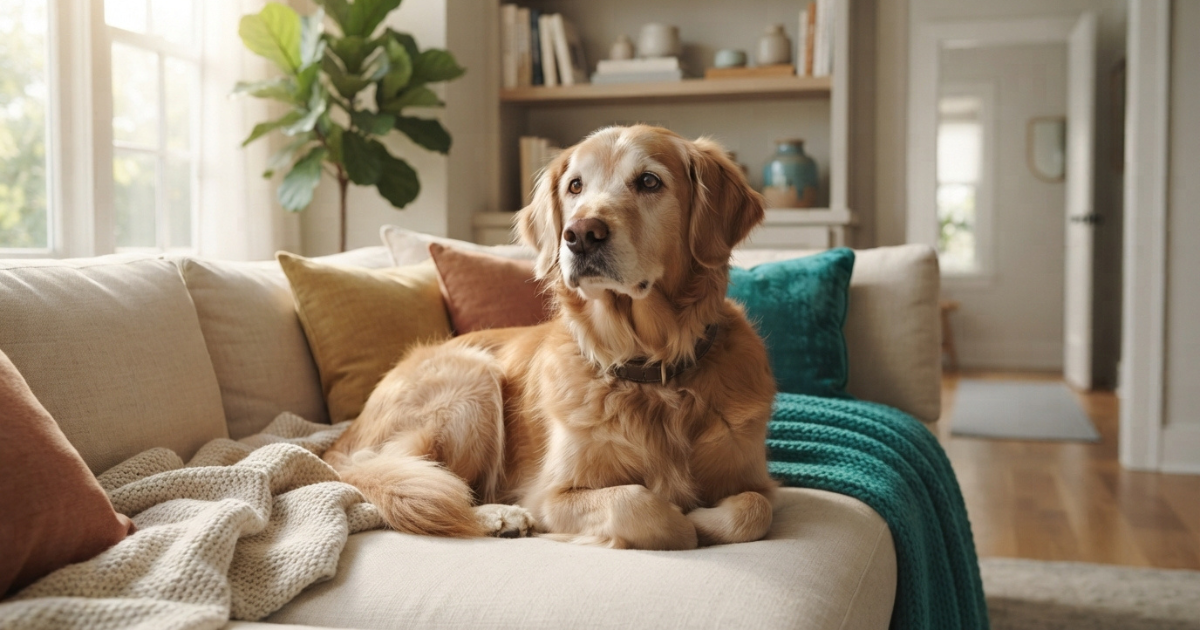
Separation anxiety is a behavioral condition in which dogs experience real stress and fear when left alone or separated from their owner.
It's different from ordinary boredom or occasional whining — it reflects a deeper emotional response. Dogs are social animals, and some form a strong dependency on their owner, which makes alone time feel overwhelming rather than routine.
Symptoms of separation anxiety usually show up quickly after a dog is left alone. These behaviors aren't "bad habits" — they're signs of genuine distress.
Common signs include:
● Excessive barking or howling when alone
● Destructive behavior (chewing furniture, scratching doors, breaking objects)
● Pacing and restlessness before or during separation
● Visible stress signs (panting, trembling, drooling)
•≫ Catching these signs early makes it much easier to help your dog feel secure again.
Understand the signs and symptoms of separation anxiety in dogs.↴
Separation anxiety can develop for several reasons, often linked to a dog's past experiences, environment, daily routine, or emotional attachment to its owner.
Common causes include:
● Changes in environment or routine — moving homes, changes in schedule, or new family members
● Lack of independence training — dogs that rarely spend time alone may struggle when separation occurs
● Past trauma or abandonment — previous experiences of loss, neglect, or abandonment can increase anxiety
● Strong attachment to the owner — dogs with an intense dependence on their owner may find even short separations difficult
Understanding the common causes of separation anxiety can help you recognize why your dog is struggling and choose the right approach to help.
Learn more about the causes of separation anxiety in dogs. ↴
Treating separation anxiety takes patience, consistency, and gradual behavior change. The goal is to help your dog feel safe and confident alone, not fearful.
Main approaches:
● Behavior training — build calm independence through positive, reward-based training
● Routine building — keep a consistent schedule for walks, feeding, and alone time to reduce uncertainty
● Gradual desensitization — start with very short periods alone and slowly increase the time
● Positive reinforcement — reward calm, relaxed behavior rather than reacting to barking or whining
•≫ In more severe cases, guidance from a vet or professional trainer may be needed.
Learn more about how to treat separation anxiety in dogs ↴
A few well-chosen products can support your dog's progress, though none of them replace training on their own:
● Enrichment toys — chew and puzzle toys keep dogs mentally engaged while you're away
● Calming aids — pheromone diffusers or wraps promote relaxation during separation
● Independence training tools — a crate or designated safe space builds confidence
● Sound support tools — soft background sound can ease anxiety in an otherwise quiet home
● Professional support — a trainer's help is valuable for more severe cases
•≫ These tools work best alongside proper training, not instead of it.
Small daily habits make a real difference in helping your dog feel calm and secure when left alone.
Key tips:
● Keep a routine — consistent timing for walks, meals, and alone time
● Exercise beforehand — make sure your dog has had enough activity before you leave
● Leave calmly — quiet departures, without making a big emotional moment of it
● Use a comfort toy — reserve a favorite toy for when you leave, to build a positive association
● Add background noise — soft music or the TV can soften the silence
• ≫ Consistency matters more than intensity — small, repeated habits add up.
Read the full daily tips guide: The Best Daily Routine for an Anxious Dog. ↴
Never punish your dog for separation anxiety. These behaviors aren't defiance — they're signs of distress. Your dog isn't misbehaving; it's trying to cope.
Punishment only increases fear, damages trust, and makes the problem worse. Real progress comes from patience and positive reinforcement, not discipline.
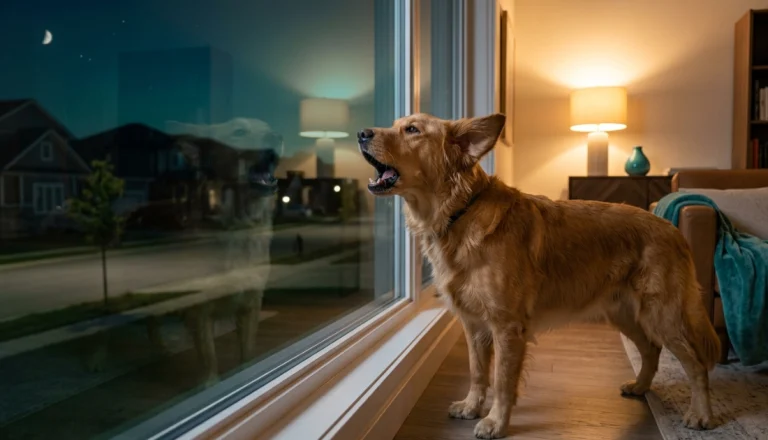
Is your dog restless or barking at night? Restore calm and enjoy peaceful sleep again.
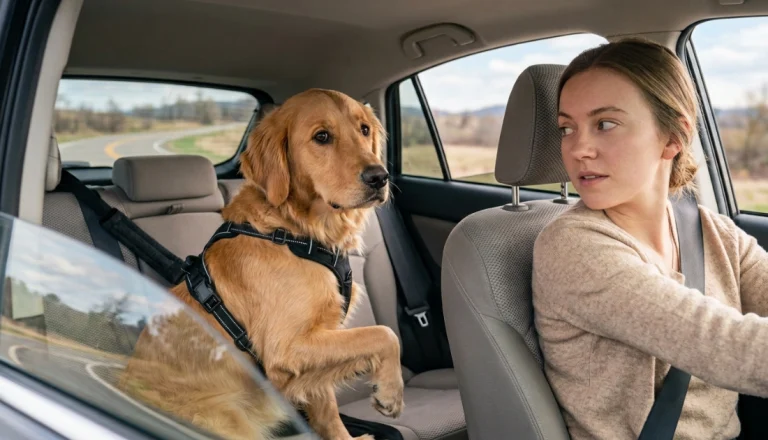
Does your dog get stressed during car rides? Make every trip calm and comfortable.
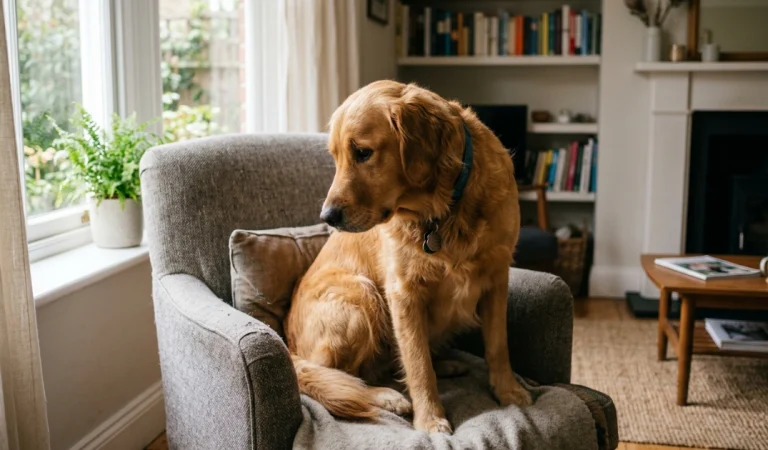
7 Hidden Signs of Stress in Dogs
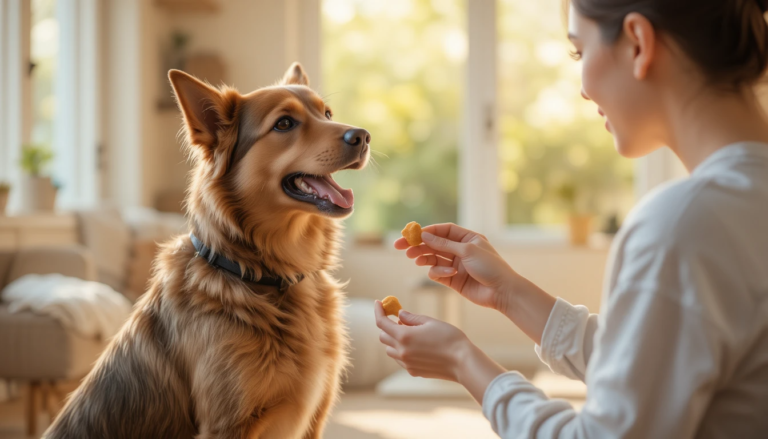
How to Calm an Anxious Dog at Home
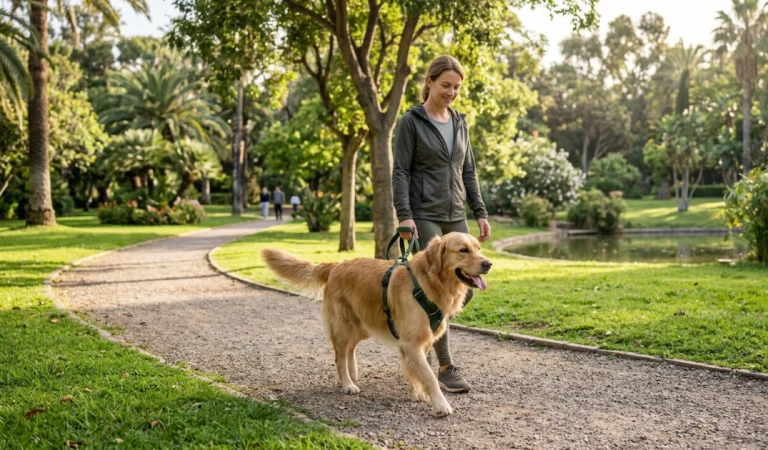
The Best Daily Routine For Anxious Dogs





