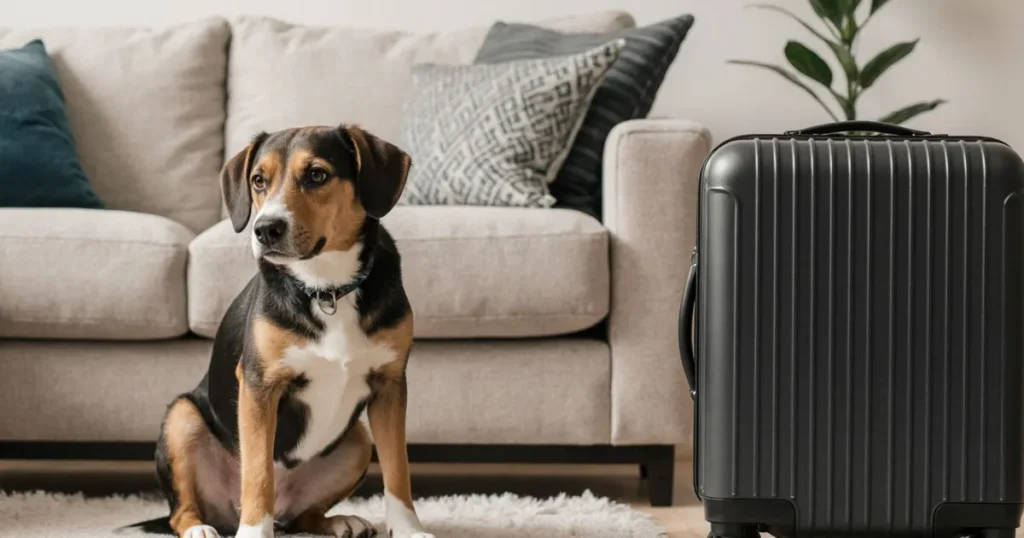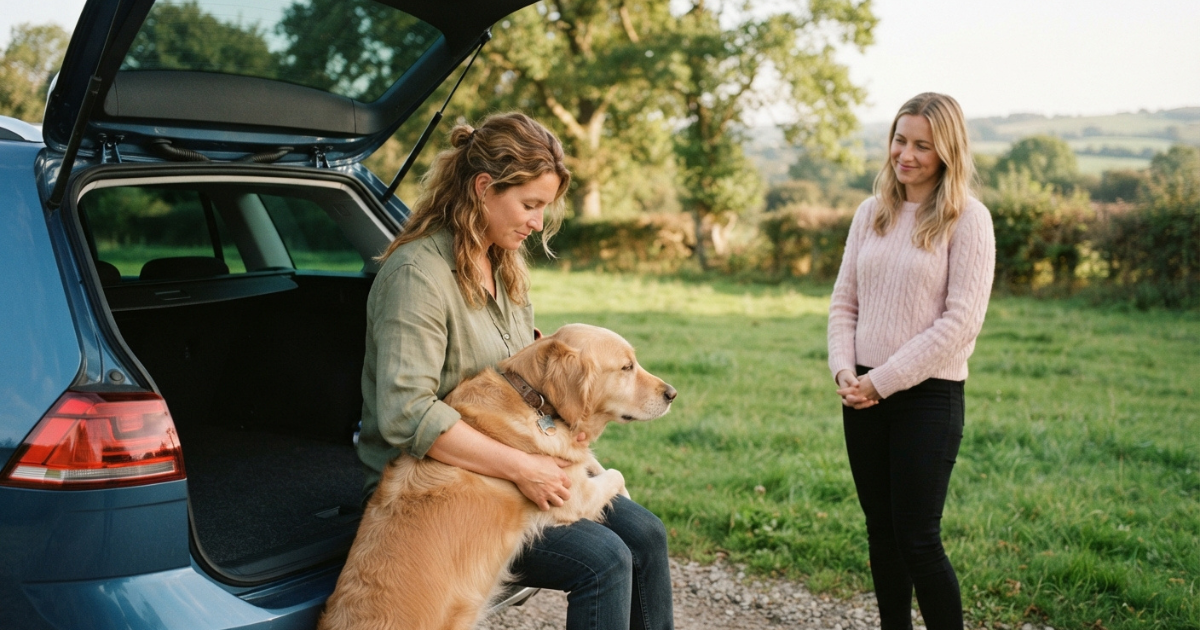
Travel anxiety in dogs is a common problem that can turn simple car rides into stressful experiences for both pets and owners. Many dogs struggle with anxiety during travel, showing signs such as panting, whining, trembling, drooling, or refusing to get into the car.
Understanding dog car anxiety and how to manage it is essential for improving your dog’s comfort and safety during trips. In most cases, it can be reduced through gradual training, a calm and secure environment, and the right combination of behavioral techniques and calming support.
This guide breaks down exactly how to calm a dog during car rides — from hands-on desensitization steps to calming gear and vet-backed options that make every journey smoother.
Key Takeaways
- Anxiety, motion sickness, or general stress can all show up during car rides — and they call for different fixes.
- Early signs include panting, whining, trembling, and restlessness.
- Gradual training and positive reinforcement reduce stress for most dogs.
- A calm, comfortable travel environment builds confidence over time.
- Natural calming aids and veterinary support can help in more severe cases.
Understanding Dog Car Anxiety
Before jumping into solutions, it helps to know what’s driving the anxiety in the first place. Dog car anxiety is often linked to negative past experiences, motion sickness, limited early exposure to car rides, sensory overload, or general discomfort while traveling — the same underlying causes and signs of travel anxiety that shape how strongly a dog reacts once the door closes.
Signs vary dog to dog but commonly include trembling, excessive panting, whining, drooling, restlessness, vomiting, or reluctance to get into the vehicle. Recognizing them early makes it easier to pick the right approach.
Preparing Your Vehicle for a Stress-Free Journey
A calm, familiar car interior is one of the most practical things you can control, and it’s often the fastest way to calm a dog during car rides before you’ve even left the driveway. Small adjustments here go a long way toward making the ride feel predictable.
Creating a Safe and Secure Den-Like Space
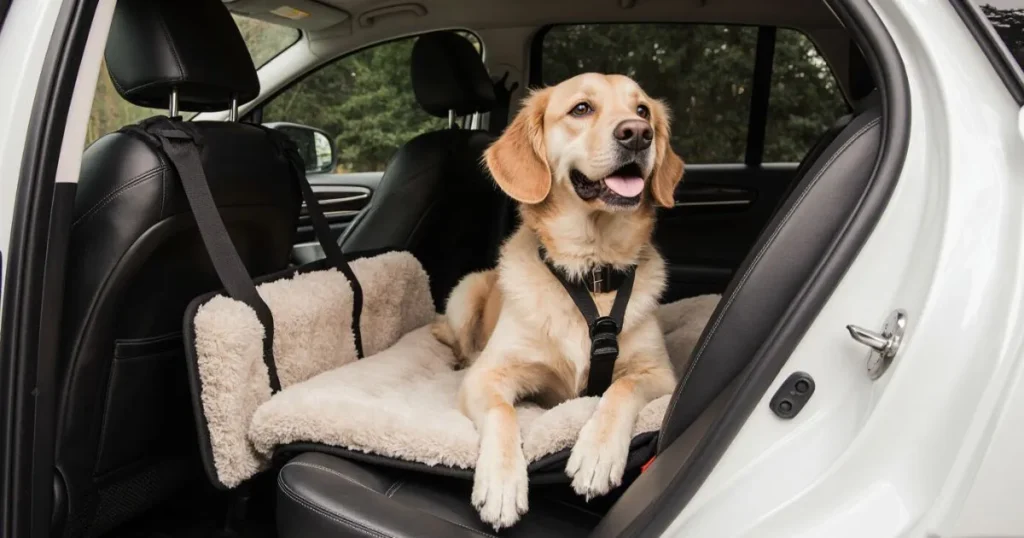
Open, unstable environments make many dogs uneasy, especially once the vehicle starts moving. A well-secured space helps a dog feel grounded, and a properly fitted crate or restraint system doubles as protection in case of sudden braking or a sharp turn.
Pick a crate big enough for your dog to stand, turn around, and lie down in comfortably. A familiar blanket or favorite toy inside it helps the space feel like theirs.
Temperature Control and Ventilation
Cabin temperature matters more than most owners realize. Dogs are sensitive to heat, and poor airflow can turn into panting and agitation fast. Make sure air conditioning or ventilation actually reaches wherever your dog is sitting or crated.
On warmer days, a portable fan can help with circulation on longer drives, and steady fresh air throughout the cabin supports a calmer ride overall.
Reducing Noise Pollution Inside the Cabin
Traffic noise, sirens, and road sound all add to a sensitive dog’s stress load. Closed windows and minimized outside noise create a more stable environment. Some owners also use soft background music or calming soundtracks made for dogs to mask sudden or sharp sounds.
| Preparation Method | Primary Benefit | Ease of Implementation |
|---|---|---|
| Secure crate | Physical safety | High |
| Climate control | Prevents overheating | Medium |
| Sound masking | Reduces sensory stress | High |
| Familiar bedding | Emotional comfort | Very high |
Desensitization Techniques for Nervous Travelers
Getting a nervous dog comfortable in the car takes time. Rushing tends to backfire, so patience and consistency matter more than speed here — following a structured, day-by-day training plan can help you pace the process correctly instead of guessing.
Gradual Exposure to Stationary Vehicles
Start with a parked car. Stand or sit near it with your dog on a leash, reward calm behavior, and let them approach and sniff at their own pace — tires and bumper included.
Once they seem relaxed outside, open a door and let them explore the interior with the engine off. Letting them step in voluntarily and sniff around teaches them the vehicle is safe to investigate on their own terms.
Positive Reinforcement and Reward-Based Training
High-value treats — small pieces of chicken or cheese work well — reinforce calm, willing behavior. When your dog chooses to hop in on their own, immediate praise and a reward build a positive association with the car.
Avoid forcing your dog inside; that tends to increase fear and slow everything down. If they show stress at any point, go back a step and slow the pace.
Short Practice Trips to Build Confidence
Once your dog is relaxed in a stationary car, try short practice drives. Turn the engine on for a few minutes first, offer treats, and watch how they respond. If they stay relaxed, progress to a short drive around the block.
Keep early trips brief so they consistently end on a good note, then stretch the duration gradually as confidence builds.
| Training Stage | Primary Goal | Success Indicator |
|---|---|---|
| Stationary | Build familiarity | Dog enters car willingly |
| Engine on | Normalize vibrations | Dog remains calm |
| Short drive | Build endurance | Dog sits or lies down |
Essential Gear: How to Calm a Dog During Car Rides with the Right Tools
Gear alone won’t erase travel anxiety, but the right equipment creates a more secure environment that supports everything else you’re doing.
Choosing the Right Travel Crate or Harness
A properly sized crate offers both protection and a familiar space, and it limits excessive movement during sudden stops or turns. If you’d rather use a harness, look for one that’s been crash-tested and built specifically for vehicle travel, so your dog can sit or lie down while staying safely restrained.
Calming Pheromone Sprays and Diffusers
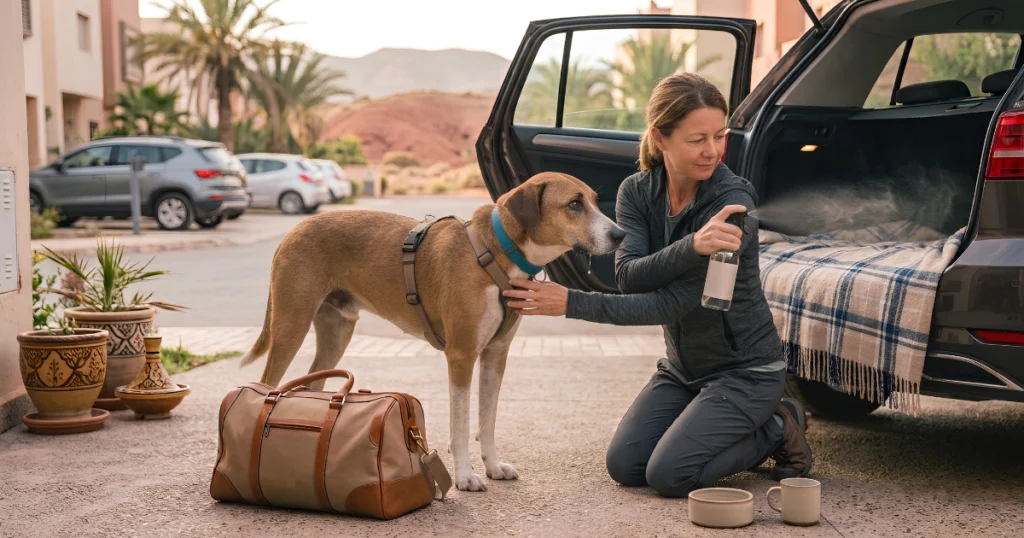
Dog-appeasing pheromone (DAP) products are synthetic versions of the pheromone a nursing mother releases to reassure her puppies. According to the American Kennel Club, using pheromones to influence dog behavior is a fairly new area, and while research is still evolving, many owners and vets report a noticeable calming effect. Well-known options in this category include Adaptil and ThunderEase, available as sprays, collars, or plug-in diffusers.
To use a spray, apply it to a blanket, crate bedding, or seat cover about 15 minutes before you leave, giving it time to settle before your dog gets in.
- Sprays — good for targeting a crate, travel bed, or seat cover directly
- Plug-in diffusers — best for longer trips if your vehicle has a compatible power source
- Wipes — convenient for applying pheromones to surfaces without spraying
The Benefits of Familiar Bedding and Toys
Bedding, blankets, and favorite toys carry home scents that can offer real reassurance in an unfamiliar space, and a well-loved chew toy can help keep your dog occupied along the way. These work best paired with the other strategies above — a secure crate, good ventilation, and gradual desensitization — rather than as a standalone fix.
Natural Remedies and Supplements for Travel Calmness
If you’re looking for extra ways to calm a dog during car rides without medication, a few non-prescription supplements have real research behind them — though responses vary by dog, and they work best alongside training, not instead of it.
L-Theanine
L-theanine is an amino acid naturally found in green tea. According to VCA Animal Hospitals, it’s sold under the brand name Anxitane and used specifically to treat anxiety in dogs and cats; other products combining it with additional calming ingredients include Composure and Solliquin. VCA notes it may take several days to weeks to show its full effect, and that the FDA does not review non-drug supplements for safety or effectiveness before sale — so your vet remains the best source on dosing and whether it’s right for your dog.
Herbal Options Like Chamomile and Valerian Root
Chamomile and valerian root show up in a number of calming products for dogs, often used by owners hoping to ease mild stress during travel. Because herbal ingredients can interact with medications or existing conditions, check with your veterinarian before adding any new supplement — they can weigh in on whether it fits your dog’s age, size, and health history.
Probiotic Support for Gut-Related Travel Issues
Some dogs get an upset stomach, nausea, or appetite changes during travel, especially if they’re prone to motion sickness or stress-related digestive issues. Probiotics support a healthy gut bacteria balance and, while not a direct anxiety treatment, can be a useful piece of an overall wellness plan during stressful periods. If nausea or vomiting is a recurring issue, your vet can help rule out underlying causes and suggest the right management plan.
Veterinary Interventions for Severe Travel Phobia
Some dogs stay anxious despite gradual training, environmental changes, and calming supplements. That’s the point to bring in professional guidance.
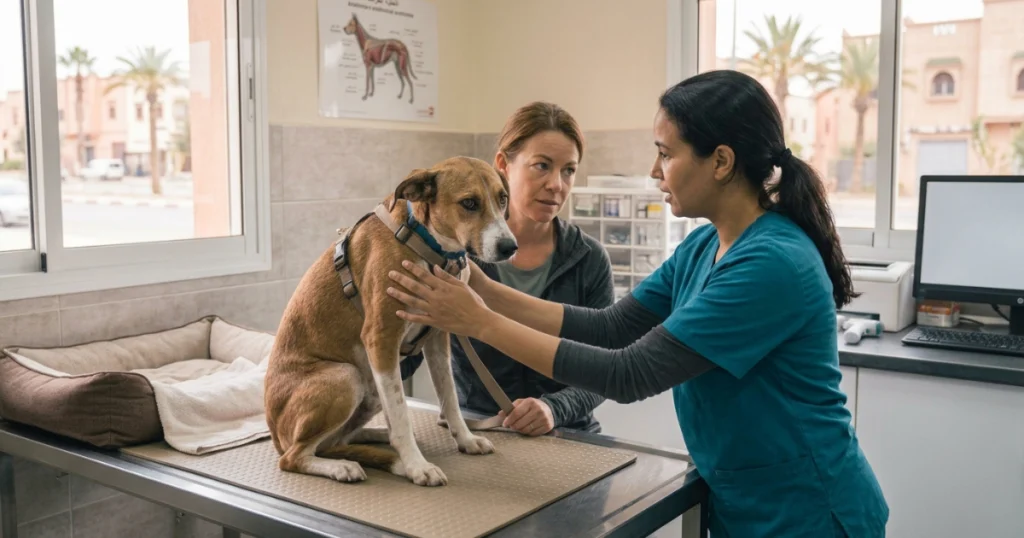
When to Consult a Professional Veterinarian
Schedule an evaluation if anxiety persists despite consistent effort. Warning signs include extreme panting, persistent trembling, repeated attempts to escape the vehicle, vocalizing, vomiting, or intense distress during rides. A thorough exam can rule out underlying health conditions contributing to the stress, and your vet can weigh in on both the physical and behavioral pieces.
Prescription Medications for Motion Sickness
If nausea rather than anxiety is the main driver, your vet may recommend prescription anti-nausea medication. Controlling the physical symptoms often makes the whole experience less stressful — just follow your vet’s guidance closely on dosage and timing.
Behavioral Medications for Severe Anxiety
For dogs with severe travel anxiety or panic responses, a vet may recommend prescription anti-anxiety medication as one part of a broader plan. These tend to work best combined with training and gradual exposure, rather than as a standalone fix — the goal is helping your dog respond better to the behavioral work, not replacing it.
Best Practices for Long-Distance Road Trips
Longer trips raise the stakes, especially for dogs prone to anxiety or motion sickness. A little planning goes a long way.
Exercise before departure. A walk or play session beforehand helps burn off excess energy, and many dogs settle more easily in the car afterward.
Plan breaks every two to three hours. Regular stops for stretching, bathroom breaks, and water keep restlessness in check on longer drives. Bring a portable bowl for easy hydration.
Keep feeding on schedule. Stick close to your dog’s normal meal times, and skip a large meal right before departure if they’re prone to motion sickness — a lighter portion is easier to tolerate.
Update ID before you go. Double-check that tags and microchip info are current, in case your dog gets separated from you during a stop.
Manage your own energy. Dogs pick up on tone of voice and tension. Staying calm and steady yourself tends to translate directly into a calmer dog.
| Strategy | Primary Benefit | Frequency |
|---|---|---|
| Exercise breaks | Reduces restlessness | Every 2–3 hours |
| Hydration checks | Prevents dehydration | At every stop |
| Feeding routine | Avoids stomach upset | Maintain home schedule |
| Emotional calm | Lowers anxiety | Throughout the trip |
Conclusion
Managing travel anxiety takes time, consistency, and an approach tailored to your individual dog. A comfortable environment, positive reinforcement, and gradually built associations with the car all add up over time.
For dogs with more severe anxiety, natural calming aids or veterinary support can round out the plan. With the right mix of preparation, training, and patience, most dogs get more comfortable on the road — making future trips easier for everyone in the car.
Want a ready-made plan? Follow our calming solutions for travel anxiety — curated calming products, travel gear, and training tools to help your dog feel safe on every ride.
FAQ
How do I calm a dog during car rides?
Use a secure crate or harness, keep the environment calm, and bring familiar items like a blanket or toy. Reward calm behavior and build up with short practice trips. If anxiety persists, talk to your vet.
What can I give my dog for travel anxiety?
Some dogs respond to calming supplements like L-theanine, pheromone products, or — for more severe cases — prescription medication from a veterinarian. Always check with your vet before introducing anything new.
Does travel anxiety get better with training?
Yes, for many dogs. Gradual desensitization and reward-based training build more positive associations with the car over time, though results vary by dog.
Are crates helpful for dogs with travel anxiety?
Yes — a properly sized crate creates a secure, den-like space that can meaningfully reduce stress during travel.
Can motion sickness cause travel anxiety in dogs?
Yes. Dogs that feel nauseous or unwell during car rides can start associating travel with discomfort, which can develop into genuine anxiety over time.
When should I see a veterinarian about my dog’s travel anxiety?
If you’re seeing severe panic, repeated vomiting, escape attempts, or no improvement despite consistent training, it’s time for a proper veterinary evaluation.
Sources: VCA Animal Hospitals — L-Theanine, American Kennel Club — Calming Diffusers and Sprays