
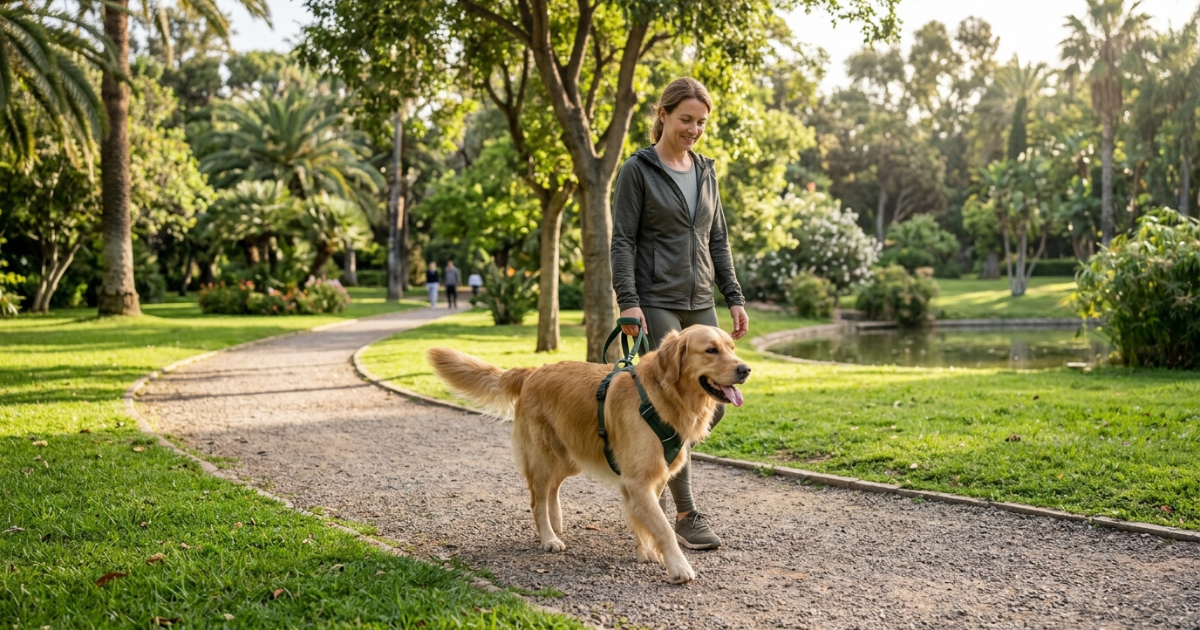
If your dog shakes when you leave, destroys furniture, or barks nonstop, it’s not “bad behavior.” It’s stress.
Dog anxiety is one of the most common behavioral issues seen in veterinary practice, and it can show up in many forms — separation distress, noise sensitivity, or general emotional overload that makes everyday life difficult for your dog.
Dogs don’t need more correction. They need structure. A consistent daily routine makes the world predictable again, and for an anxious dog, that predictability is usually what actually brings the stress down.
Below is a practical, step-by-step routine built specifically for anxious dogs — exercise, mental stimulation, training, and a few environmental changes, all things you can start using today.
Key Takeaways
- A predictable daily routine lowers baseline anxiety by making the world more predictable.
- Exercise, mental stimulation, and positive reinforcement each play a distinct role.
- Routine alone rarely resolves a specific fear — that’s what desensitization and counter-conditioning are for.
- The right routine shifts with age, breed, and life stage.
- Severe or worsening anxiety still warrants a vet or certified behaviorist.
What Is the Best Daily Routine for an Anxious Dog?
The best daily routine for an anxious dog includes consistent feeding times, daily exercise, mental stimulation, positive reinforcement training, and predictable rest periods. A structured schedule helps reduce stress, build confidence, and create a sense of security.
Understanding Your Dog’s Anxiety
Dog anxiety is often misunderstood. What looks like “bad behavior” is usually a stress response, not disobedience. According to Cornell University’s College of Veterinary Medicine, anxiety is frequently used as a catch-all label, but behaviorists there caution that there’s typically an identifiable cause behind an anxious dog’s behavior rather than anxiety existing on its own — which is exactly why identifying your dog’s specific triggers matters more than just labeling the behavior “anxiety.”
Dogs don’t all express anxiety the same way. Some become restless and overly active, while others shut down and withdraw.
Signs of Anxiety in Dogs
Before creating a routine for dogs with anxiety, it’s important to recognize the warning signs.
Common symptoms of dog anxiety include:
- Excessive barking or whining
- Destructive chewing or scratching
- Pacing or restlessness
- Trembling or shaking
- Clingy “shadow” behavior
- Loss of appetite
- Hiding or withdrawal
- Indoor accidents
- Heavy panting without exercise
These behaviors are often early stress signals that indicate your dog is approaching their emotional threshold. Recognizing these signs early can help you create a more effective dog anxiety management plan and prevent anxiety from becoming more severe over time.
What Causes Anxiety in Dogs?
Dog anxiety can be triggered by many everyday situations. Identifying your dog’s specific triggers is essential if you want to learn how to calm an anxious dog effectively.
Common triggers include:
- Separation from owners
- Loud noises (fireworks, storms)
- Lack of mental stimulation
- Unpredictable routines
- Past trauma or rehoming — Cornell behavior specialists have observed that dogs who moved between multiple homes appear more prone to separation anxiety than dogs raised with one family from puppyhood
- Genetic predisposition
- Age-related brain changes in senior dogs
For many dogs, multiple factors contribute to anxiety. That’s why a structured separation-anxiety routine and a predictable daily schedule often play a critical role in reducing stress and helping dogs feel more secure.
Creating a Secure Environment
Your dog needs a safe place where they can relax and feel protected. This environment is a key foundation of any calming routine.
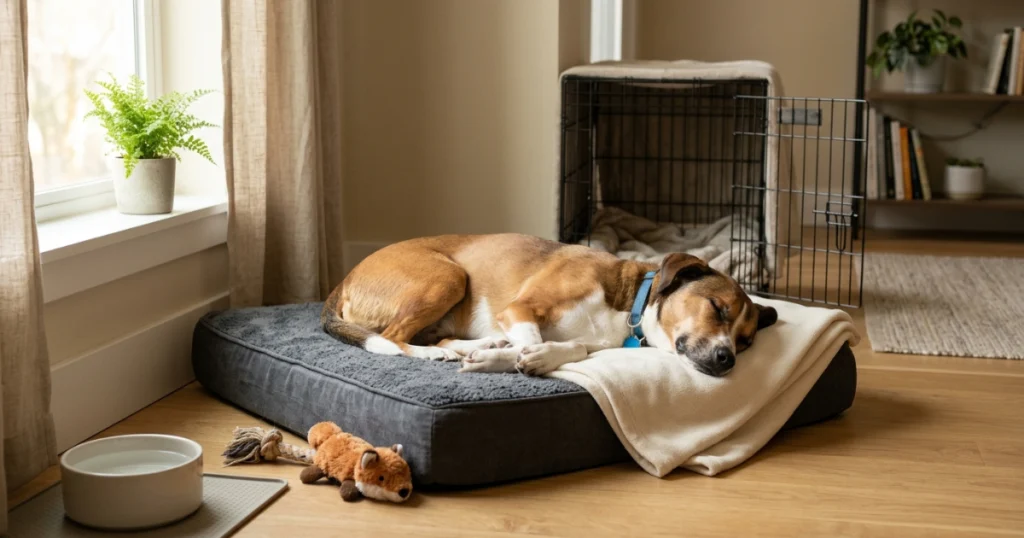
Safe Spaces for Your Anxious Dog
Choose a quiet corner or room away from household traffic. This becomes your dog’s personal retreat when things feel overwhelming.
A comfortable bed or crate can work well when introduced properly. Adding familiar scents can also help — a worn t-shirt or blanket provides comfort and reassurance by carrying your scent.
If you use a crate, it should always feel like a safe space, never a punishment.
Good crate habits:
- Place it in a quiet area
- Add soft, comfortable bedding
- Keep the door open when possible
- Reward your dog for choosing to rest inside
Reducing Noise and Distractions
Many anxious dogs are sensitive to sound, movement, and other environmental triggers. Creating a calmer environment can help reduce stress throughout the day.
You can help by:
- Using white noise or calming music
- Closing curtains or blinds to limit outside distractions
- Keeping household noise at a reasonable level
- Maintaining a calm and predictable home atmosphere
Even small environmental adjustments can make a noticeable difference in your dog’s comfort and overall stress levels.
Establishing a Consistent Routine
Consistency is one of the most effective ways to help an anxious dog feel safe and secure. When dogs know what to expect, they experience less uncertainty and are better able to relax.
Why Routine Matters
Dogs thrive on predictable patterns. Regular daily activities help them understand what comes next, reducing stress and building confidence over time.
Even simple routines — such as feeding, walks, and rest periods — can provide a greater sense of stability.
Feeding Schedule
Feeding your dog at the same time each day helps create structure and predictability.
Helpful strategies include:
- Using slow feeders or puzzle bowls
- Feeding after exercise rather than before
- Keeping mealtimes calm and consistent
- Limiting distractions during feeding
Outdoor Activities
Walks, play sessions, and bathroom breaks should follow a predictable rhythm whenever possible.
Dogs quickly learn routines such as:
- Shoes on = walk time
- Morning routine = bathroom break
- Dinner finished = quiet rest time
The goal is not strict timing — it’s consistent structure. A predictable daily rhythm helps your dog feel more secure and confident throughout the day.
Incorporating Positive Reinforcement
Rewarding calm behavior — with good timing and consistency — teaches your dog that good choices lead to good things, which gradually replaces fear and uncertainty with confidence. Veterinary behaviorists specifically advise against punishment-based correction for fearful dogs, since it tends to worsen fear rather than fix it. For the full technique — timing, treat selection, and how to build sessions that actually change how your dog feels — see our dedicated guide to positive reinforcement for anxious dogs.
Desensitization and Counter-Conditioning: Why Routines Alone Aren’t Always Enough
A daily routine reduces day-to-day uncertainty, but if your dog has a specific fear or phobia — thunder, strangers, other dogs, being left alone — routine by itself usually won’t resolve it. That’s where desensitization and counter-conditioning (DSCC) come in: gradually exposing your dog to the trigger at low intensity while pairing it with something they love, so the trigger starts predicting something good instead of something scary. The ASPCA recommends this exact approach as the core treatment for separation anxiety. For the complete step-by-step method, see our gradual exposure training guide.
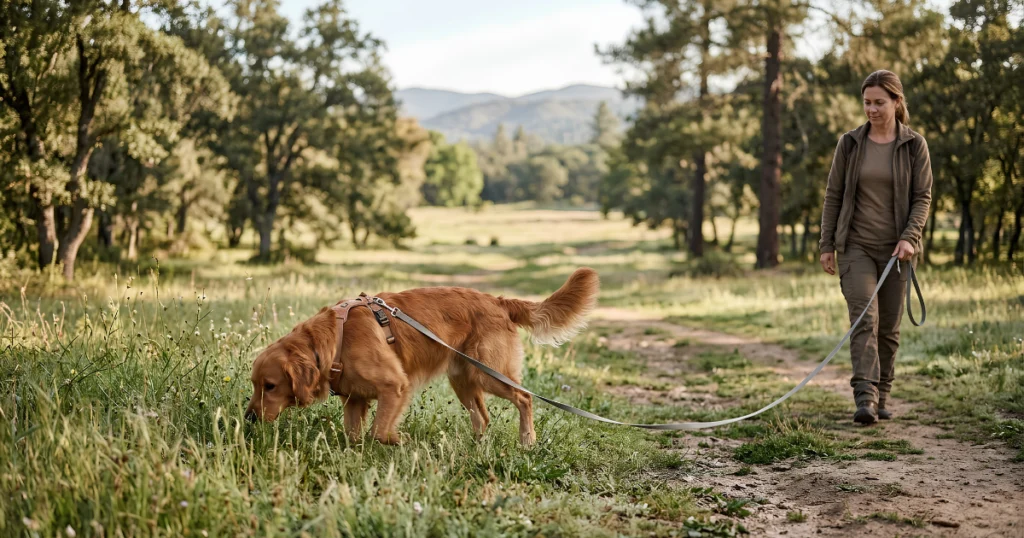
Physical Exercise for a Calm Mind
Regular exercise can help reduce anxiety, but quality matters more than intensity. The goal is not to exhaust your dog — it’s to provide healthy outlets for physical and mental energy.
Walks and Daily Movement
Walks should focus on exploration rather than distance.
Try to:
- Let your dog sniff and explore at their own pace
- Use a long leash when safe and appropriate
- Keep walks calm and pressure-free
- Adjust the duration based on your dog’s age, breed, and energy level
Sniffing and exploring can be especially beneficial for anxious dogs because these activities provide natural mental enrichment and encourage calm, focused behavior.
Structured Play
Structured play can help your dog release energy while staying engaged and focused.
Examples include:
- Fetch
- Tug-of-war
- Scent games
- Flirt pole play
- Controlled agility
After playtime, allow your dog to settle with a calm activity or rest period. This cooldown helps prevent overstimulation and supports emotional regulation.
A Simple Daily Routine for an Anxious Dog
The times below are a template, not a rule — what matters most is that whatever times you choose stay consistent day to day. Shift the whole schedule earlier or later to match your own work hours.
Morning: Walk, Feeding, and a Calm Start (roughly 7:00–8:00 AM)
Start the day with a calm bathroom break followed by breakfast. Using a slow feeder or puzzle toy can provide mental stimulation while encouraging relaxation. A short sniff walk can also help your dog begin the day in a balanced state of mind.
Sample schedule:
- 7:00 AM — Bathroom break
- 7:10 AM — Breakfast in a slow feeder or puzzle toy
- 7:25 AM — 10–20 minute sniff walk
- 7:50 AM — Quiet rest time in a safe space
Afternoon: Mental Stimulation and Rest (roughly 12:00–1:00 PM)
Provide enrichment activities such as puzzle toys, scent games, or short training sessions. Afterward, allow your dog to rest in a quiet, low-stimulation environment.
Sample schedule:
- 12:00 PM — Short potty break
- 12:10 PM — Puzzle toy or “find it” game
- 12:25 PM — Brief training session (5–10 minutes)
- 12:40 PM — Calm downtime
Evening: Play, Decompression, and Sleep Routine (roughly 6:00–9:30 PM)
Finish the day with a structured walk, interactive play session, or a few minutes of training. After dinner, transition into a predictable wind-down routine to help your dog settle before bedtime.
Sample schedule:
- 6:00 PM — Structured sniff walk
- 6:30 PM — Interactive play or training
- 7:00 PM — Dinner in a calm setting
- 7:30 PM — Chew toy and relaxation time
- 9:30 PM — Consistent bedtime routine
Adjusting the Routine by Age, Breed, and Life Stage
The structure above works as a foundation for any dog, but the intensity of exercise and enrichment should shift depending on your dog’s age and breed.
Puppies (under 12 months)
Puppies tire quickly and need more frequent, shorter sessions rather than one long walk. Over-exercising a growing puppy — especially on joints that aren’t fully developed — can cause more harm than good. Favor several 5–10 minute play or sniff sessions across the day, short training reps, and generous nap time between activities. This is also the ideal window for early, gentle exposure to normal household sounds and situations, which can help prevent anxiety from developing in the first place.
Adult dogs (roughly 1–7 years)
Most of the routine above is written with a healthy adult dog in mind. High-energy working and herding breeds (Border Collies, German Shepherds, Australian Shepherds, etc.) generally need more physical and mental output than the sample schedule provides — consider adding a second structured play session or extending sniff walks. Lower-energy or brachycephalic breeds (Bulldogs, Pugs, etc.) may need shorter, gentler outdoor sessions, especially in heat.
Senior dogs (roughly 7+ years, earlier for large breeds)
Older dogs can develop new or worsening anxiety linked to hearing loss, vision changes, joint pain, or cognitive dysfunction syndrome (a canine equivalent of age-related cognitive decline), and this sometimes shows up specifically as nighttime restlessness or increased clinginess. Keep walks shorter and gentler, prioritize low-impact enrichment (scent games, easy puzzle toys) over physical exertion, and mention any new-onset anxiety in a senior dog to your veterinarian — it’s often worth ruling out a medical or pain-related cause before assuming it’s purely behavioral.
Mental Stimulation Techniques
Mental exercise is just as important as physical activity for anxious dogs. In many cases, a short brain game can be more tiring than a long walk.
Mental enrichment helps reduce boredom, build confidence, and give your dog a healthy outlet for nervous energy.
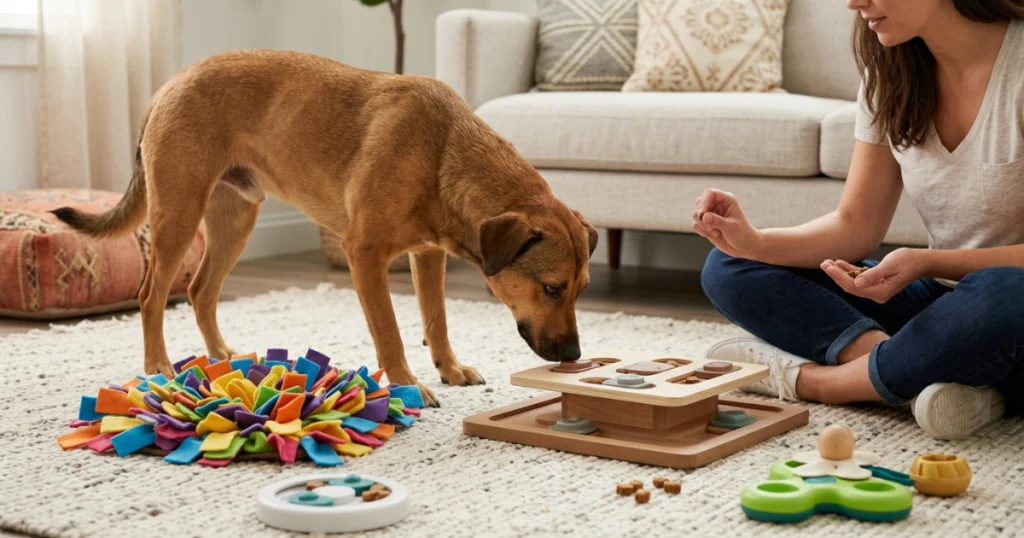
Interactive Toys and Puzzles
Puzzle toys encourage your dog to think, problem-solve, and work for rewards.
Start with simple options and gradually increase the difficulty as your dog becomes more confident.
Ideas include:
- Food puzzles (Kong, Toppl, and similar toys)
- Frozen treat toys
- Hidden treat scavenger hunts
- Rotating puzzle toys to maintain interest
Training Games
Training games provide mental stimulation while strengthening your dog’s focus and self-control.
Try activities such as:
- “Find it” games
- Name recognition games
- Waiting before eating or playing
- Simple impulse control exercises
These activities challenge your dog’s brain, encourage calm thinking, and help redirect anxious energy into productive behaviors.
Optional Calming Aids for Anxious Dogs
Calming products can provide extra support for some anxious dogs when combined with a consistent routine, regular exercise, mental enrichment, and positive reinforcement training.
Some commonly used calming aids include:
- Anxiety vests that apply gentle pressure
- Dog pheromone diffusers
- Veterinarian-recommended calming supplements
- Soft music or white noise
Every dog responds differently, so it may take some trial and error to find what works best.
If your dog’s anxiety is severe or affects daily life, consult your veterinarian. They may recommend behavior modification, medication, or a combination of both.
Important: Calming products can be helpful, but they should complement — not replace — training, exercise, mental enrichment, and a structured daily routine.
Building Socialization Skills
Positive social experiences can help anxious dogs build confidence over time. The goal isn’t to force your dog into social situations, but to create positive experiences that help them feel safe and comfortable at their own pace.
When introducing your dog to new people or other dogs:
- Choose calm, dog-friendly individuals
- Keep introductions short and low-pressure
- Allow your dog to approach voluntarily
- Reward calm behavior with treats and praise
- End interactions before your dog becomes overwhelmed
Pay close attention to your dog’s body language throughout the interaction. Early signs of stress may include lip licking, yawning, avoiding eye contact, turning away, or a tense body posture. Recognizing these signals early allows you to create more distance and help your dog relax before anxiety escalates.
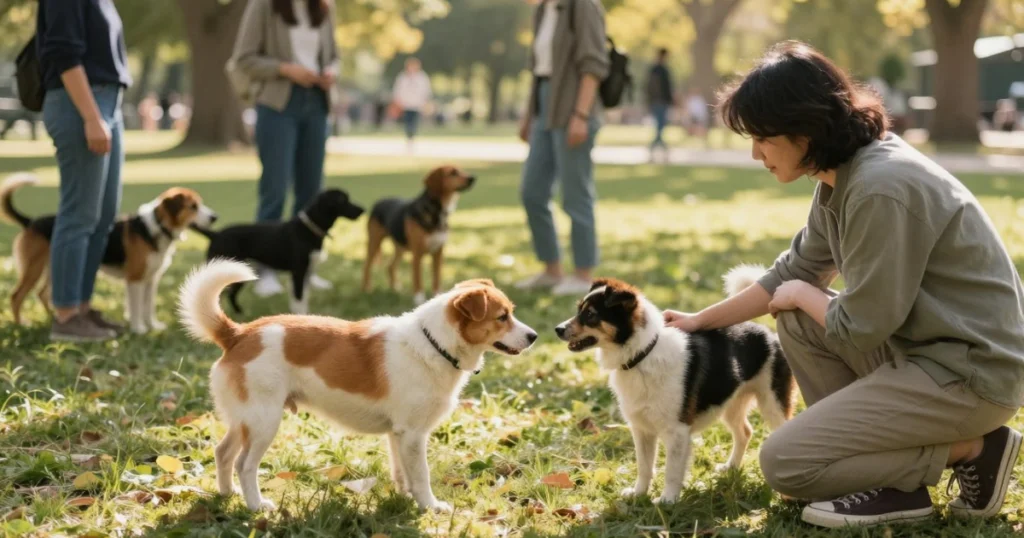
For some dogs, structured training classes that use positive reinforcement can provide valuable opportunities to build confidence in a controlled and supportive environment.
Important: Never force an anxious dog to interact with people, dogs, or situations that make them uncomfortable. Confidence develops through gradual, positive experiences — not through overwhelming exposure. Veterinary behaviorists are direct on this point: a dog who can approach something new voluntarily, and gets rewarded for it, ends up less fearful than one who is pushed into contact with what scares them.
Remember, socialization should always progress at your dog’s comfort level. Patience and consistency are key. Over time, small positive experiences can lead to meaningful improvements in your dog’s confidence and overall emotional well-being.
Monitoring Progress and Adjusting Routine
Helping an anxious dog feel more comfortable is a gradual process. Some dogs show improvement within a few weeks, while others may need more time. Because every dog is different, it’s important to pay attention to their behavior and adjust your routine based on what works best for them.
Keep a Simple Behavior Journal
Tracking your dog’s progress can help you identify patterns, measure improvements, and better understand what influences their anxiety.
Consider recording:
- Anxiety triggers
- Times of day when anxiety occurs
- Exercise and enrichment activities
- Calming strategies used
- Your dog’s response to each strategy
Over time, you may start to notice valuable trends. For example, your dog might appear more relaxed after a longer sniff walk, additional mental enrichment, or a more predictable daily schedule.
These observations can help you fine-tune your routine and focus on the activities that make the biggest difference in your dog’s emotional well-being.
Important: Progress is rarely perfectly linear. Some days will be better than others, and occasional setbacks are completely normal. Consistency, patience, and small adjustments over time often lead to the most meaningful long-term results.
By regularly evaluating your dog’s behavior and making thoughtful adjustments, you can create a routine that helps them feel safer, calmer, and more confident every day.
When to Seek Professional Help
While many dogs improve with a consistent routine, some need additional support from a veterinarian or qualified behavior professional.
Consider seeking professional help if your dog:
- Shows aggressive behavior linked to fear or stress
- Injures themselves during anxious episodes
- Experiences severe separation anxiety
- Has panic reactions to common triggers
- Shows little improvement after several weeks of consistent management
A veterinarian can rule out underlying medical conditions and discuss treatment options if needed. In severe cases, a veterinary behaviorist may recommend a comprehensive behavior modification plan tailored to your dog’s needs — a board-certified veterinary behaviorist can be a valuable referral if your regular vet recommends one.
The earlier you address severe anxiety, the easier it is to help your dog build confidence and develop healthier coping skills.
Ready to build the routine? Explore our calming solutions for anxious dogs — puzzle toys, calming aids, and training tools to support every part of the day above.
FAQ
What are the main signs that my dog is experiencing anxiety?
Common signs of anxiety in dogs include excessive barking, destructive chewing, pacing, trembling, panting, loss of appetite, and clingy behavior. Some dogs become hyperactive, while others withdraw or hide.
Why is creating a structured daily routine important for anxious dogs?
A predictable routine helps anxious dogs feel safe and secure. Knowing what to expect throughout the day reduces uncertainty, which is a common trigger for anxiety.
What type of exercise is best for reducing anxiety in dogs?
Activities that combine physical exercise and mental enrichment are often most effective. Sniff walks, scent games, structured play, and exploration-based activities can help reduce stress and promote calm behavior.
How much mental stimulation does my anxious dog need each day?
Most dogs benefit from daily mental enrichment through puzzle toys, training exercises, scent work, or interactive games. Even 10–15 minutes of focused mental activity can help reduce boredom and anxiety.
Are calming products effective for anxious dogs?
Calming products such as anxiety vests, pheromone diffusers, and veterinarian-recommended supplements may help some dogs. However, they work best when combined with training, exercise, mental enrichment, and a consistent routine.
How should I socialize an anxious dog?
Socialization should happen gradually and at your dog’s pace. Focus on creating positive, low-pressure experiences and avoid forcing interactions that make your dog uncomfortable.
Sources: Cornell Riney Canine Health Center — Anxious Behavior, ASPCA — Separation Anxiety





