Living with an anxious dog can feel exhausting — constant barking, trembling, hiding, or overreacting to simple, everyday situations. It doesn't just disrupt your life; it means your dog is living in stress and fear.
But this can change. There's a proven, science-backed way to help your dog feel safe again. Start today, and guide your dog toward lasting calm, deeper trust, and real confidence.
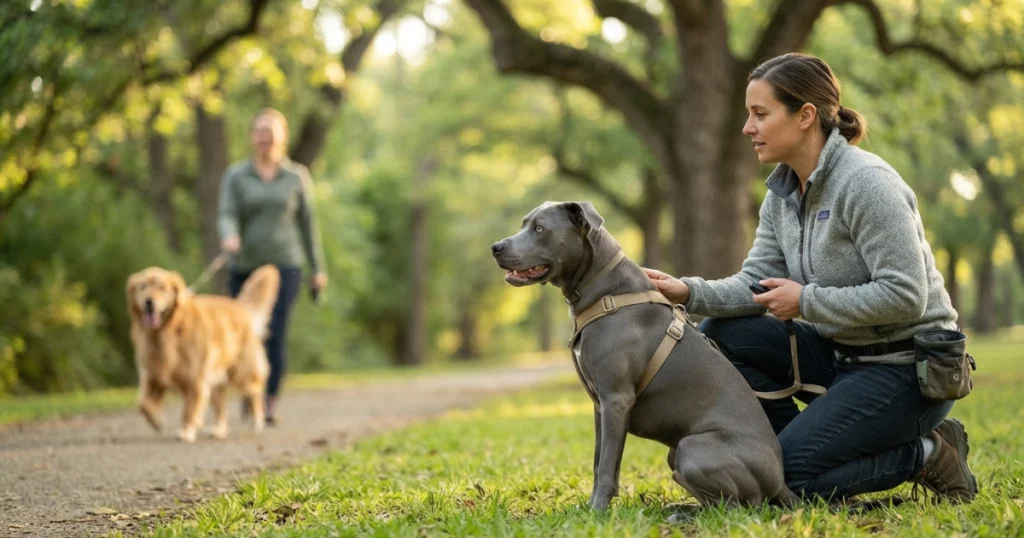
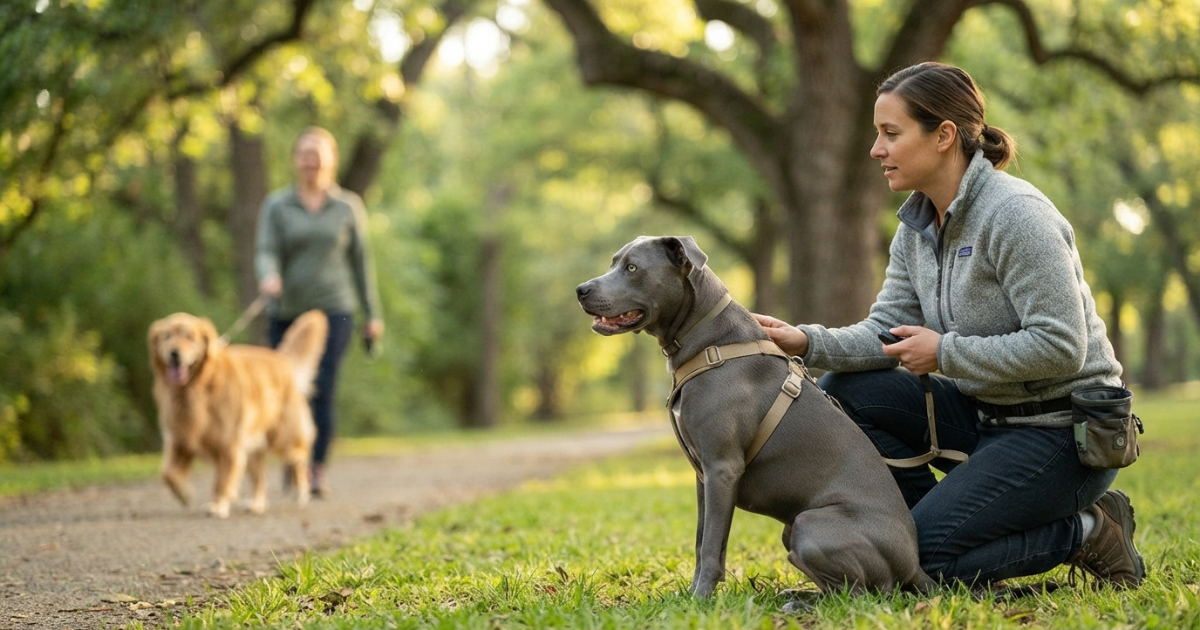
Gradual exposure is a behavior modification technique used in dog training to reduce fear responses over time. Instead of forcing a dog into a scary situation, you introduce the trigger slowly, at a level the dog can handle, so they learn to stay calm.
Example: a dog afraid of strangers
•≫ Wrong approach — forcing the dog to meet strangers up close
•≫ Gradual exposure approach:
● A stranger appears at a distance
● The dog stays calm → gets rewarded
● The distance slowly decreases over time
● The dog eventually feels safe around people
This method works because it respects the dog's emotional limits and builds trust step by step.
Gradual exposure works through a process called desensitization. When a dog repeatedly experiences a trigger without anything bad happening, the brain gradually stops reacting with fear.
What changes over time:
● Fear response decreases
● Confidence increases
● Emotional stability improves
● Dog learns new associations (“this is safe” instead of “this is scary”)
Key benefits:
● Reduces anxiety at the root cause
● Builds long-term behavioral change
● Strengthens trust between dog and owner
● Prevents aggressive or avoidance reactions
1. Identify the trigger — know exactly what causes your dog's anxiety
2.Start at low intensity — begin with very mild exposure
3. Controlled exposure sessions : Keep training short and calm.
4. Reward calm behavior : Reinforce relaxed reactions.
5. Slowly increase difficulty : Progress slowly at your dog’s pace.
Want to understand each step in more detail? Learn how professional trainers combine gradual exposure, counterconditioning, and desensitization to help anxious dogs feel safe and confident again.
Read the Complete Training Guide ↴
Many owners unintentionally slow progress by:
● Moving too fast through exposure levels
● Forcing the dog into stressful situations
● Being inconsistent with training sessions
● Forgetting positive reinforcement
● Ignoring stress signals (panting, shaking, avoidance)
These mistakes can increase fear instead of reducing it.
This builds motivation + keeps users engaged
Positive signs to look for:
● Less intense reactions to triggers
● Faster recovery after exposure
● More curiosity, less avoidance
● Relaxed body language (loose posture, soft eyes)
Even small changes mean your training is working.
Experts in dog behavior and training recommend:
● Keep sessions short and positive (5–15 minutes)
● Use high-value treats your dog truly loves
● Always end sessions on a success, not stress
● Pay close attention to body language
● Move at your dog’s pace, not yours
● Stay consistent—daily repetition matters more than intensity
Every dog is different, but most owners start noticing small improvements within 1–2 weeks of consistent training.
What affects progress:
● Severity of the dog’s anxiety
● Consistency of training sessions
● Type of trigger
● Dog’s personality and past experiences
Some dogs improve quickly, while others need more time—and that’s completely normal.
Explore more ways to help your dog overcome anxiety:
→ How daily routine builds calm behavior
→ How to use rewards to improve training results
→ Full step-by-step gradual exposure method