Is your dog anxious, restless, or unpredictable?
When a dog doesn't know what to expect, stress builds up — leading to barking, pacing, destructive behavior, or constant alertness.
A structured daily routine can change everything.By creating consistent patterns, you help your dog feel safe, balanced, and in control of their environment.
You don't need complicated training. You need a clear, repeatable routine that works every day.
A structured routine is a predictable daily schedule that organizes your dog's activities — feeding, walks, playtime, rest, and training — at consistent times. Dogs thrive on routine because it removes uncertainty.
Without a routine:
● Random feeding times
● Unpredictable walks
● Irregular attention
•≫ Dog feels confused, stressed, and anxious
With a routine:
● Same feeding time every day
● Scheduled walks and rest
● Clear daily flow
•≫ Dog feels calm, secure, and stable
A structured routine directly affects your dog's emotional state and behavior.
What consistency does:
● Reduces uncertainty and anxiety
● Creates a sense of safety and control
● Stabilizes energy levels
● Prevents overstimulation or boredom
● Builds trust between you and your dog
The payoff:
● Fewer anxious reactions
● Improved behavior at home and outside
● Better sleep patterns
● A calmer, more balanced dog
What to do :
● Start the day with a calm potty break right after waking up. Keep it quiet — no excitement, no over-talking.
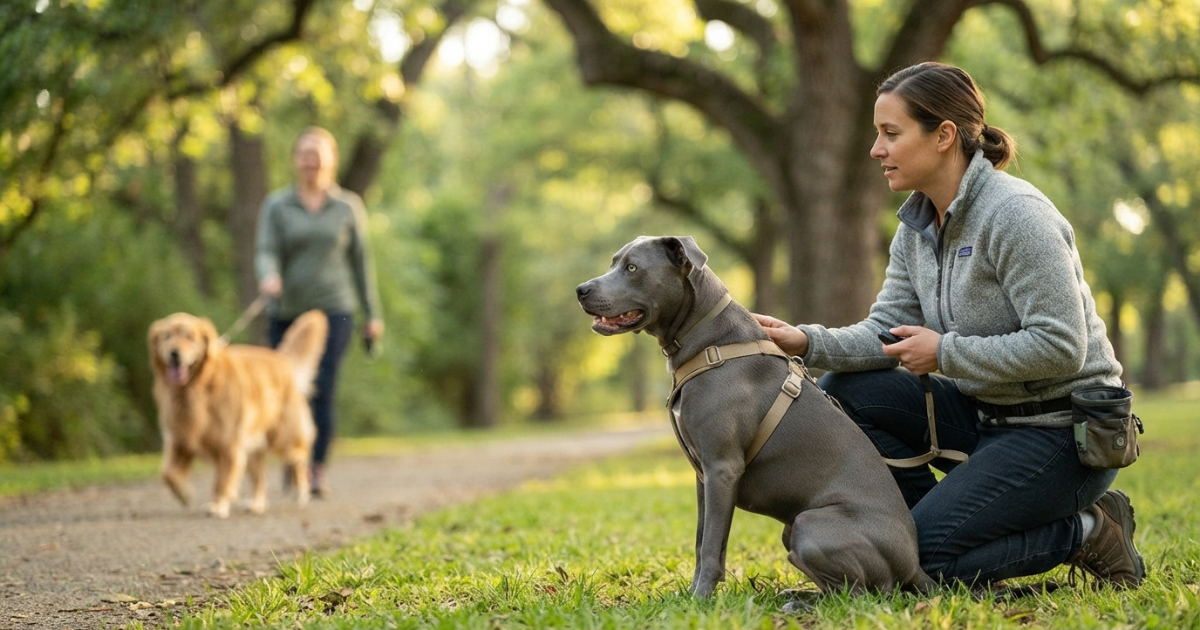
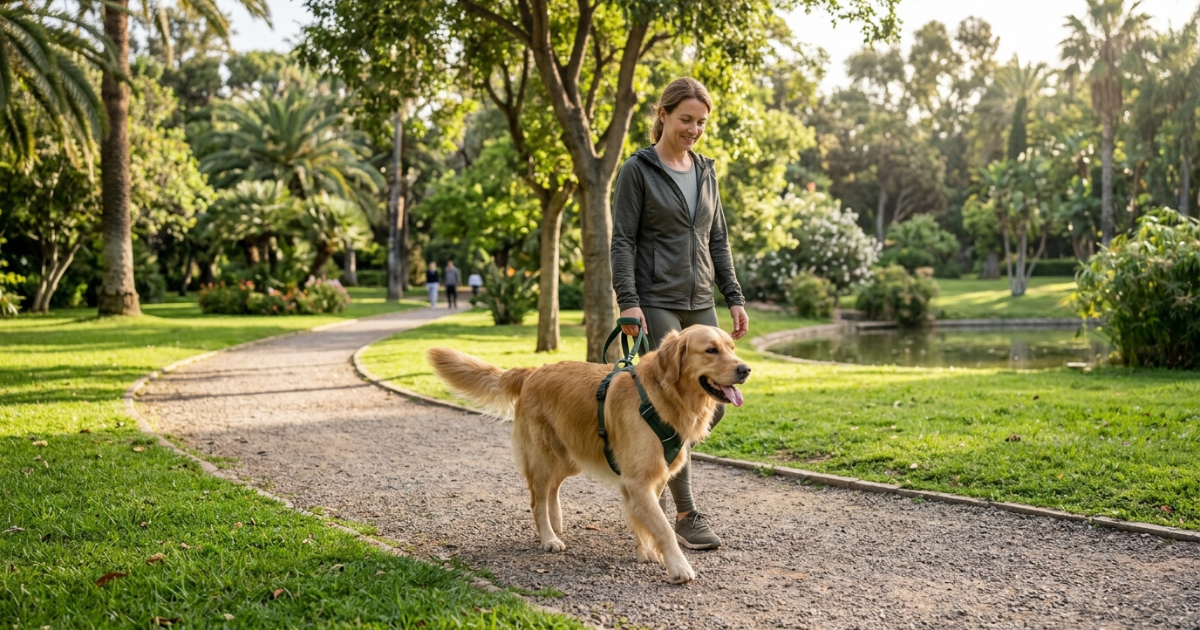
● Take a slow, controlled walk (10–20 minutes) without overstimulation. Focus on calm sniffing, not speed or distance.
● Run a short training session (5–10 minutes) with basic commands like sit, stay, and come. Keep rewards low-key — calm praise instead of high-energy play.
● Feed your dog at the same time every morning. A fixed feeding time acts as a stability signal for anxious dogs.
● Avoid intense play or high excitement early in the day, since it helps regulate cortisol levels.
Why it works:
● Establishes a predictable structure, reducing uncertainty
● The morning walk releases built-up tension
● Basic training builds focus and confidence
● A fixed feeding time supports emotional stability and trust
What to do :
● Provide a quiet rest period in a safe space — a crate, bed, or calm corner — so the dog can reset and avoid sensory overload.
● Offer mental stimulation like puzzle toys or sniffing games to keep the mind engaged without raising stress.
● Include a short potty break or gentle walk to maintain routine without overexcitement.
● Limit loud noise, overstimulation, and excessive interaction to support emotional recovery.
Why it works:
●Teaches the dog to self-regulate and relax independently
● Mental enrichment reduces boredom-related anxiety
● Helps break cycles of stress, pacing, or destructive behavior
What to do:
● Take a slow, relaxing walk before dinner to release remaining energy and support emotional decompression.
● Feed your dog at a consistent evening time to reinforce routine stability and reduce evening anxiety.
● Reduce household stimulation — dim the lights, lower noise levels — to signal that the day is winding down.
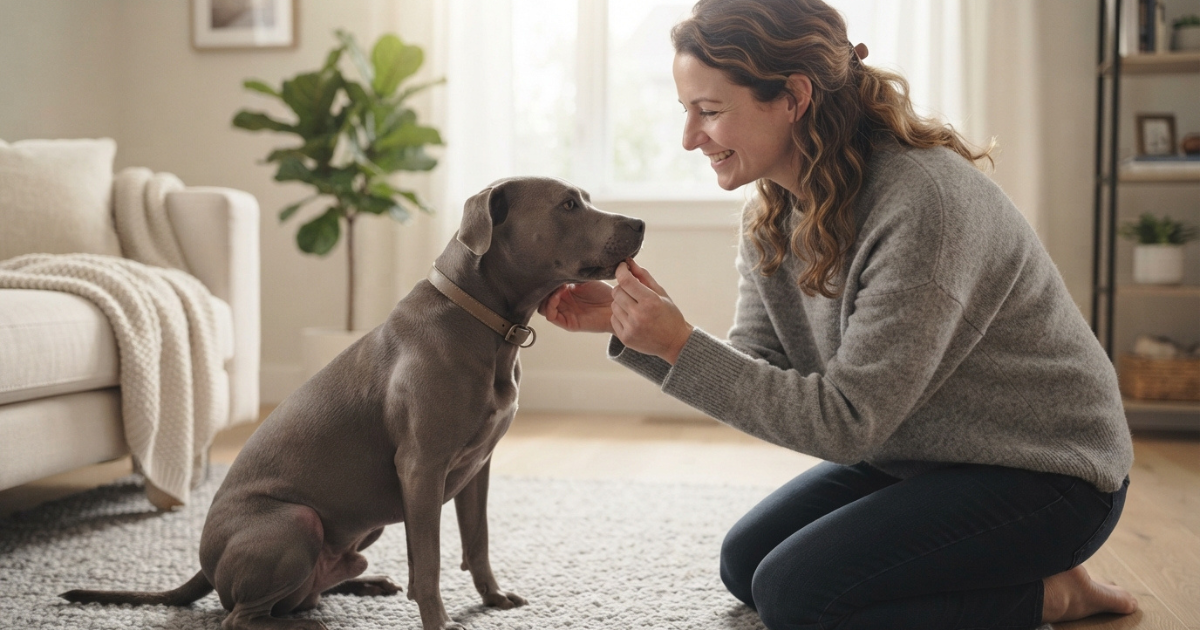
● Spend calm bonding time (gentle petting, no rough play) to build emotional security without raising arousal.
● Keep bedtime consistent and in the same sleeping area to build long-term behavioral stability.
Why it works:
● Signals the brain that the day is ending, promoting relaxation
● Low stimulation helps reduce evening anxiety and restlessness
● Consistent bedtime routine builds long-term emotional security
Read the Complete Guide → The Best Daily Routine for Anxious Dogs ↴
•≫ This routine only works when it's followed every day, not occasionally.
Dogs rely on repetition to feel safe and reduce uncertainty. Frequent changes in routine can increase stress and lead to more anxious behavior. A stable, predictable structure, on the other hand, creates emotional balance and behavioral clarity.
Consistency is what turns simple daily actions into long-term emotional stability for your dog.
Every dog reacts differently, but with a consistent daily routine, most owners start seeing early improvements within 1–2 weeks.
Timeline:
● 1–2 weeks: Early calmness, slight behavior improvement
● 3–6 weeks: More stable behavior and fewer reactions
● Long-term: Lasting confidence through consistency
Results depend on consistency, triggers, and each dog's personality. The key isn't speed — it's daily consistency in the routine you apply.
Avoid these errors that can increase anxiety:
● Inconsistent feeding or walking times
● Too much stimulation without rest
● Ignoring the importance of sleep
● Sudden changes in routine
● No structure when the dog is alone
These create confusion and emotional instability.
Why this matters:
A routine alone helps — but combining it with the right methods accelerates results and makes them more reliable.
Routine becomes even more powerful when paired with:
Gradual Exposure → reduces fear step by step
Positive Reinforcement → builds confidence through rewards
Together, these methods create a complete, balanced solution for anxiety.